Are Your Keto Gummies Already Dead? The Truth About Potency Loss Over Time
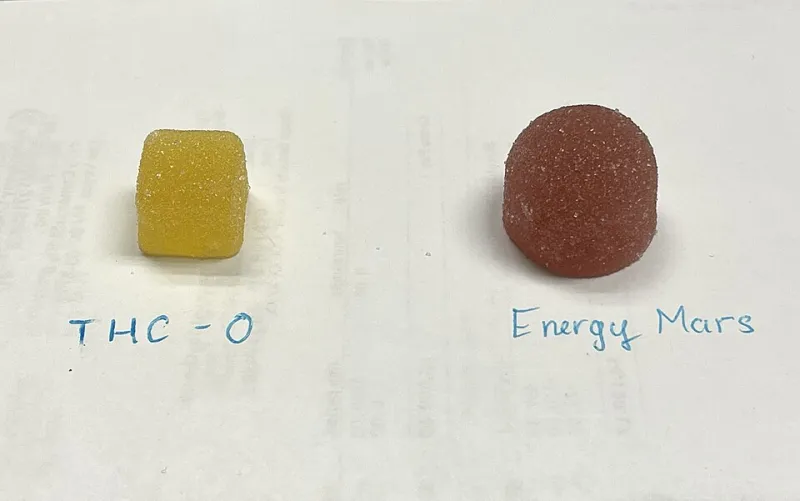
Photo: General Samual, CC BY-SA 4.0, via Wikimedia Commons
Let's be honest — most of us have a supplement graveyard somewhere. Maybe it's the back of a bathroom cabinet, a kitchen drawer that doesn't quite close, or a gym bag that's been living in your car since March. And somewhere in that pile, there's probably a bottle of keto gummies you paid good money for.
Here's the uncomfortable question: are they still doing anything?
Shelf life for gummy supplements is one of those topics that doesn't get nearly enough attention. People obsess over ingredients, flavor, and price — which, fair — but the question of whether those BHB salts or MCT-infused gummies are still potent by the time you pop them? That conversation barely happens. Until now.
The Expiration Date Doesn't Mean What You Think It Means
First, let's clear something up. That "best by" date stamped on your gummy bottle is not a safety deadline — it's a potency guarantee. Manufacturers are required to test that their product contains at least the labeled amount of active ingredients through that date, assuming ideal storage conditions. After that date, they're not promising anything.
What this means in practice: a bottle that expired six months ago might still be safe to eat, but it could be delivering 60% — or less — of the BHB, vitamins, or other actives you're counting on. You're essentially paying full price for a partial dose.
And here's where it gets a little scandalous: the gap between manufacturing date and purchase date can already eat into that window before you've even opened the bottle. Supplements often sit in warehouses, then distribution centers, then store shelves. By the time a product lands in your hands, it might already be six to twelve months into a 24-month shelf life. You could be starting with less runway than you realize.
Heat, Light, and Humidity: The Three Enemies of Gummy Supplements
Gummies are more vulnerable to environmental damage than capsules or tablets. Why? Because the gummy matrix itself — typically made from gelatin or pectin — is sensitive to temperature and moisture in ways that a hard pill just isn't.
Heat is probably the biggest offender. Leaving your gummies in a hot car, near a stove, or on a windowsill can accelerate ingredient breakdown significantly. Fat-soluble compounds like vitamin D and certain ketone precursors are especially sensitive to heat oxidation. Studies on supplement degradation consistently show that storage above 77°F speeds up potency loss — and your car in July can hit 130°F or higher.
Light is the second culprit. UV exposure breaks down a range of bioactive compounds. That's why quality supplements often come in amber or opaque bottles. If yours came in a clear container and has been sitting on a sunny countertop, some degradation has almost certainly occurred.
Humidity is the sneaky one. Bathrooms feel like a logical place to store supplements — they're right there when you're doing your morning routine — but the steam from showers creates moisture that can cause gummies to stick together, grow mold, or break down their active ingredients faster. The medicine cabinet is a bad idea, despite the name.
How to Actually Tell If Your Gummies Have Gone Bad
Sometimes degradation is obvious. If your gummies are:
- Stuck together in a solid clump — moisture damage has occurred
- Visibly discolored — oxidation or light damage is likely
- Smelling off or sour — the fats or gelatin may have gone rancid
- Unusually hard or crystallized — moisture loss has altered the structure
- Coated in white powder — this can be sugar blooming, which is mostly cosmetic, but worth noting
...then it's time to toss them, regardless of the expiration date.
The harder problem is when they look totally fine but have lost potency quietly. Unfortunately, you can't see BHB degradation with the naked eye. This is why proper storage from day one matters so much — you're protecting yourself against invisible losses.
The Right Way to Store Keto Gummies (Seriously, It's Not Complicated)
The good news: protecting your supplement investment doesn't require a lab setup. A few simple habits make a real difference.
Keep them cool and dark. A kitchen cabinet away from the stove or oven is ideal. Some people refrigerate their gummies, which can extend shelf life — just make sure the container is airtight so you don't introduce humidity when you pull it in and out of the fridge.
Use an airtight container. If your gummies came in a resealable pouch or bottle with a tight lid, great. If not, transfer them to a small glass jar with a sealed lid. Oxygen exposure degrades active ingredients over time.
Don't mix old and new batches. This sounds fussy, but finishing one bottle before opening another helps you track freshness more accurately and prevents older gummies from getting buried under new ones.
Buy in quantities you'll actually use. Bulk deals are tempting — and sometimes genuinely worth it — but not if you're buying a six-month supply that'll sit in your cabinet for a year. Do the math on your actual daily usage before stocking up.
What to Look for When You Buy
Before you even bring a bottle home, there are things worth checking.
Look for a manufacture date in addition to an expiration date. Some brands include both; others only list the best-by date. If you can find the manufacture date, you can calculate how much shelf life is actually left.
Check the lot number and batch information — reputable manufacturers use these for quality tracking. If a brand can't tell you when a product was made or doesn't have a customer service line to answer that question, that's a yellow flag.
Consider buying directly from the brand's website rather than third-party resellers when possible. Inventory turnover tends to be faster, which means fresher product.
The Bottom Line
Keto gummies aren't cheap, and the whole point is that they're supposed to support your low-carb lifestyle with real, functional ingredients. But a supplement that's been heat-damaged, improperly stored, or quietly sitting past its prime isn't doing you any favors — no matter how good the label looks.
Treat your gummies like you'd treat any other health investment: store them properly, pay attention to dates, buy what you'll use, and don't let a good deal talk you into hoarding more than you need. Your ketone levels — and your wallet — will thank you.