From Keto Forums to Walmart Shelves: The Wild Ride of America's Gummy Gold Rush
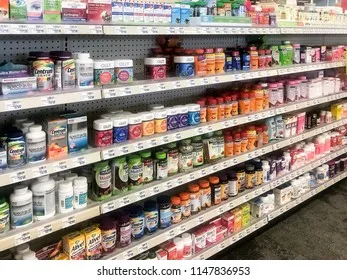
Photo: supplement store gummy vitamin aisle shelves retail, via www.shutterstock.com
Ten years ago, if you wanted exogenous ketones, you mixed a chalky powder into water and gagged it down. Today, you can buy keto gummies at a Walmart checkout, in a gas station, or from a TikTok ad that knows your browsing history a little too well.
That transformation happened fast — and it left a lot of chaos in its wake. Let's trace how we got here, and more importantly, what the mainstreaming of keto gummies means for your wallet and your health.
Act One: The Forum Era
Keto gummies didn't start as a product. They started as a problem. Exogenous ketones — BHB salts that can help support ketosis — worked for a lot of people, but the powders tasted like salty seawater and the capsules were the size of horse pills.
Around the mid-2010s, supplement manufacturers started solving the delivery problem. Pectin-based gummies with BHB, MCT oil, apple cider vinegar, or some combination became a way to make keto supplementation actually pleasant. Early adopters on r/keto and keto forums shared their finds, and word spread the old-fashioned way: person to person, thread to thread.
Act Two: The Explosion
Then the keto diet itself went mainstream. Celebrity endorsements, cookbook bestsellers, 'keto' labels appearing on everything from ice cream to pizza crust — the diet became a cultural moment, and its supplement category rode the wave.
The gummy format was perfectly positioned. Gummies are the fastest-growing supplement format in America for a simple reason: people will actually take them. Compliance is everything in supplementation, and nobody skips their gummy. Retail giants took notice, and keto gummies went from Amazon niche listings to shelf space at Walmart, CVS, and your local grocery store. The category swelled into a multi-billion-dollar market, with 'keto' slapped on products that had no business wearing the label.
Act Three: The Scam Wave (This Is the Part That Matters)
Rapid growth attracts sharks — literally. If you've been on Facebook or Instagram in the past few years, you've probably seen the ads: 'SHARK TANK INVESTORS REVEAL MIRACLE KETO GUMMY!' with doctored footage of celebrities 'endorsing' a product.
Here's the truth: no keto gummy has ever been funded on Shark Tank. Not one. Those ads are fabricated, often using AI-manipulated footage of judges like Mark Cuban and Lori Greiner, who have publicly and repeatedly disavowed them. The Federal Trade Commission has pursued action against these operations, which typically work like this:
- A too-good-to-be-true ad hooks you with a 'free trial'
- You pay a small shipping fee
- Buried in the fine print, you've enrolled in a subscription
- Your card gets charged monthly for an inferior product, and canceling requires a phone call to a line that mysteriously never answers
How to Spot a Legit Keto Gummy in the Wild
The good news: legitimate products exist, and they're not hard to identify once you know what to look for.
Check the ingredient panel, not the marketing. A real keto gummy should list its active ingredients and doses. Be wary of 'proprietary blends' that hide how little of each ingredient you're actually getting. Look for BHB in gram quantities, not milligram dustings.
Look for third-party testing. Reputable manufacturers verify their products through independent labs and often publish certificates of analysis. If a brand can't or won't show testing, that's a red flag.
Read the sugar content. Ironic but true: some 'keto' gummies contain more sugar per serving than a piece of candy. A keto-friendly gummy should have minimal net carbs per serving.
Buy from the source. Legitimate brands sell through their own websites and established retailers with real return policies. If the only place you can find a product is a sketchy checkout page with a countdown timer, close the tab.
Be skeptical of celebrity claims. No real celebrity is selling a keto gummy through a Facebook ad with a 'limited supply' banner. Real brands build reputations; scammers burn through domain names.
What the Gold Rush Means Going Forward
Mainstreaming cuts both ways. On one hand, competition has driven better formulations, better flavors, and better prices. On the other, the noise makes it harder for consumers to find quality products among the fakes.
The marketplace is maturing. Regulatory scrutiny of scam ads is increasing, and shoppers are getting savvier — reading labels, checking reviews, demanding transparency. The products that survive this shakeout will be the ones that earned their shelf space honestly.
The gummy gold rush isn't over. But the prospectors with real claims are starting to outlast the ones selling snake oil — and that's good news for everyone doing keto the right way.