Do You Actually Need Keto Gummies? An Honest Look at Supplements vs. Whole Foods
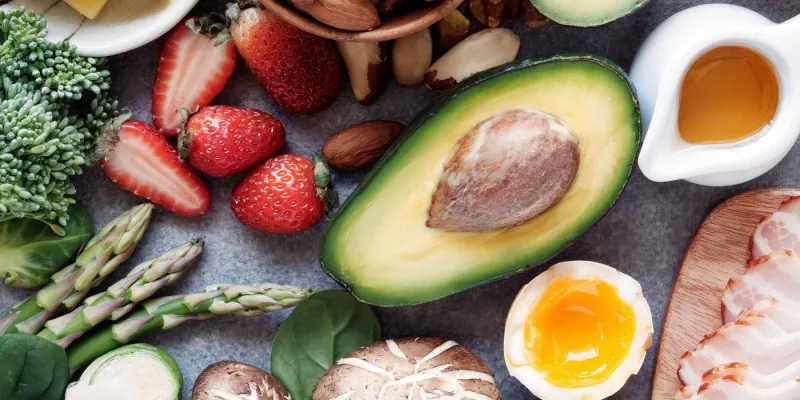
Photo: healthy keto whole foods and supplements on kitchen counter, via static0.backyardbossimages.com
Let's get something out of the way right up front: no supplement—gummy, capsule, powder, or otherwise—is going to do the work of a solid, whole-food ketogenic diet. If you're eating fast food every day and hoping a gummy is going to save your macros, that's not how any of this works.
But here's the thing. The conversation about supplements in the keto community tends to swing between two extremes: either they're miracle products that make keto effortless, or they're a complete waste of money that no serious health-focused person should touch. Reality, as usual, lives somewhere in the middle.
So let's have the honest conversation. When do keto gummies actually make sense? And when should you just eat a handful of almonds and call it a day?
Real Food First—Always
A well-constructed ketogenic diet built around whole foods is genuinely powerful on its own. Fatty fish, grass-fed beef, eggs, avocados, leafy greens, nuts, and full-fat dairy—these are the building blocks of sustainable keto. They provide not just macronutrients but the vitamins, minerals, and micronutrients your body needs to function well.
Whole foods also have something no supplement can fully replicate: a complex nutritional matrix. When you eat a piece of wild salmon, you're getting omega-3s, B vitamins, selenium, and protein in a form your body recognizes and processes efficiently. That synergy matters.
So if you're brand new to keto, the first order of business isn't finding the best gummy—it's cleaning up your plate. Get the foundation right, and everything else becomes a refinement rather than a crutch.
Where Whole Foods Fall Short
Here's where the honest nuance comes in. Even the most dialed-in, food-focused keto eaters run into real gaps—not because they're doing anything wrong, but because modern life is complicated and biology is demanding.
The electrolyte problem is real. When you cut carbs, your kidneys start excreting more sodium, which triggers a cascade that leads to losses of potassium and magnesium as well. This is the infamous "keto flu," and it hits a lot of people hard in the first few weeks. You can eat avocados and leafy greens all day, but hitting adequate magnesium levels through food alone is genuinely difficult—most Americans don't even come close on a standard diet, let alone a restricted one.
Energy crashes happen. The transition into ketosis isn't always smooth. Your body is essentially switching its fuel source, and during that transition, you can feel foggy, sluggish, and irritable. Having a convenient, portable source of support—something that delivers targeted ingredients without requiring you to cook a full meal—can bridge that gap on tough days.
Cravings don't always respond to logic. Keto works partly because fat and protein are deeply satiating. But cravings, especially early on, aren't always about hunger—they're often habitual, emotional, or tied to blood sugar fluctuations. Having a satisfying, sweet option that fits your macros can be the difference between staying on track and blowing your whole day on a gas station candy bar.
Travel and busy schedules are real obstacles. Not everyone has time to meal prep every Sunday or access to quality whole foods at every moment of the day. A clean, well-formulated supplement you can throw in your bag isn't laziness—it's practical.
When Gummies Genuinely Add Value
Think of keto gummies not as a replacement for good nutrition but as a targeted tool for specific situations. Here's where they tend to shine:
- During the keto adaptation phase, when electrolyte loss is at its peak and energy can feel unreliable
- As a mid-afternoon option when cravings hit and whole-food alternatives aren't available
- For consistent delivery of specific nutrients—like BHB (beta-hydroxybutyrate), magnesium, or B vitamins—that support ketosis and overall energy metabolism
- As a behavioral anchor, giving you a satisfying ritual that replaces the habitual snacking patterns most people struggle to break
- On travel days or during busy work weeks when your usual routine goes out the window
The key word in all of this is targeted. A gummy supplement is most valuable when it's filling a specific, identifiable gap—not when it's being used to compensate for a diet that hasn't been addressed.
What to Look for If You Do Go the Gummy Route
Not all keto gummies are built the same, and this matters a lot. Because gummies are inherently a sweet, chewy format, some brands cut corners by using high-glycemic sweeteners or fillers that technically undermine the keto goals they're supposed to support.
Look for formulas that use erythritol or monk fruit as sweeteners rather than maltitol or glucose syrup. Check the actual net carb count using the honest math we talk about elsewhere on this site—not the manipulated version. And pay attention to what active ingredients are actually present and at what dosages. A label that lists 15 ingredients but doesn't specify amounts is hiding something.
At All Star Keto Gummies, we built our products around the idea that a supplement designed for keto people should actually work with your ketogenic lifestyle, not sneak carbs in through the back door. Transparent labels, clean sweeteners, and functional ingredients that address the real challenges keto eaters face—that's the standard we hold ourselves to.
The Bottom Line: It's Not Either/Or
The most successful keto journeys we see aren't the ones where people pick a side in the food-vs-supplement debate. They're the ones where people build a strong whole-food foundation and use smart, well-formulated supplements to handle the edges—the energy dips, the travel days, the craving moments, the nutrient gaps.
Keto gummies aren't a shortcut. But used thoughtfully, they're a genuinely useful part of a well-rounded approach to low-carb living. The goal is sustainable results, not ideological purity—and a little practical support along the way is nothing to be ashamed of.